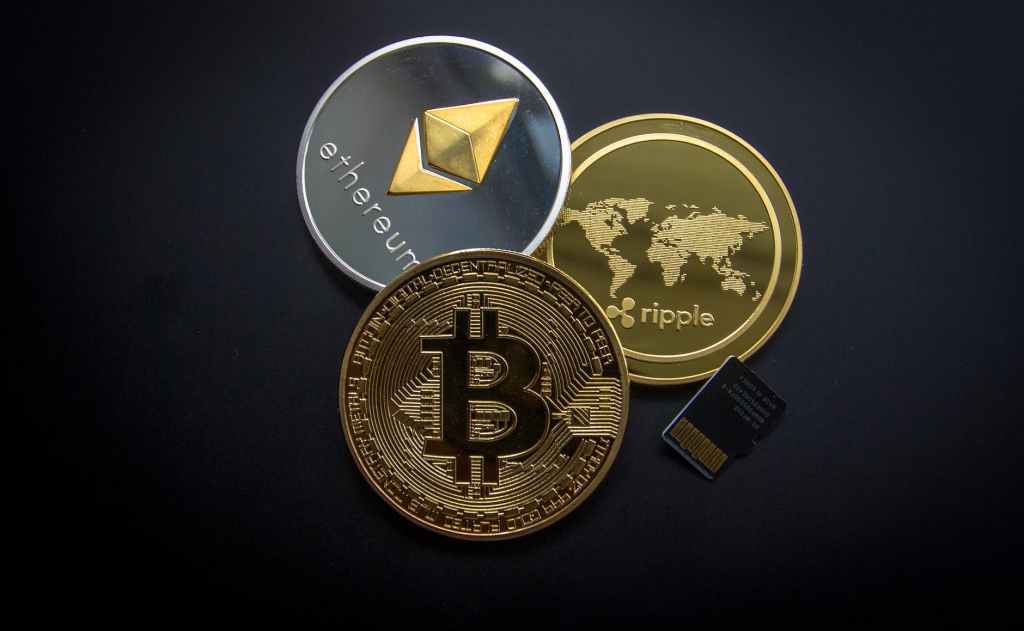
What is Bitcoin? Some of you might know it from the craze back in 2020-2021. Others have known it since 2012. Cryptocurrency is definitely an asset, but what makes it so valuable? It’s not even real, or is it? When you own a Bitcoin there is no way to get an actual coin out of it. It’s only numbers on a screen. Every Cryptocurrency has their own purpose as I like to see it. For example Bitcoin has turned into a sort of digital gold since it holds it’s value and ironically it’s not very efficient to send and receive bitcoin between people. Bitcoin is also deflationary, there is a set limit on how many coins there is. There is also a limit on how many coins can be mined a day.
Why is it so valuable?
Value is put on something if everyone agrees it’s valuable. Right? The reason Bitcoin specifically is because of the way it works. There is no central entity that owns or manages Bitcoin. This is big because no central entity or bank can add or remove Bitcoin to their liking. Bitcoin is managed and owned by the people. We call these “people” nodes. The nodes verify that every transaction that goes through is valid. If the nodes all agree that the transaction is valid then the take your bitcoin and put in the other persons “wallet”. The first node to solve the “puzzle” that sends your transaction out gets rewarded with some bitcoin. This is called Mining. Keep in mind that a small fee will also be taken out of your transaction to reward all the other nodes. If the reward is too small the nodes will prioritize bigger transactions. That’s why sending bitcoin can take up to a day sometimes. Making it pretty inefficient. There is institutions that do own a large chunk of it, for example Coinbase and Binance, the two biggest holders of Bitcoin. Sending Bitcoin through these brokers is almost instant. Why is that? Let’s say you and your friend Frank own 5 bitcoin each but they are inside Coinbase. In reality Coinbase owns these 10 but you own the “rights” to 5. So if you pay Frank 2 Bitcoin, the coins aren’t moving from anywhere. Coinbase will just change your “rights” from 5 to 3 and Frank’s from 5 to 7. No fees or actual movement occurred because Coinbase already owned these coins to begin with. This is why it’s called “not your keys not your coins”
Getting Started
The easiest way to get started with investing into crypto would to buy some from a public exchange. Places like Coinbase, Binance, and Kraken. It can be purchased just like stocks. Some brokerages also now sell crypto specifically to invest in. There are also now emerging funds that hold Crypto as an investment asset. The fun part about Crypto is that it can be traded 24/7. Unlike the stock market which is limited to 4pm EST. Although there is nothing wrong with keeping your crypto in an exchange, if you wanted to hold it for a long time or keep it really safe you’d invest in a cold storage wallet. Keep in mind moving assets from an exchange to a cold wallet will incur fees. Since they are actually moving the coins out from the exchange to your personal wallet and this must be verified through the blockchain.
Environmental Impact
There has also been concerns that Bitcoin uses a lot of power. This is true because every node that is on is a computer or computers that are working together to solve “puzzles” that make the blockchain work. “Bitcoin alone is estimated to consume 127 terawatt-hours (TWh) a year — more than many countries, including Norway. In the United States, cryptocurrency activity is estimated to emit from 25 to 50 million tons of CO2 each year, on par with the annual emissions from diesel fuel used by US railroads.” – Rocky Mountain Institute.
Other Assets
Although Bitcoin is the pioneer of Cryptocurrency, there are other Assets out there that have interesting projects and work completely different from Bitcoin. They do have the same purpose though, (no central entity, voting rights, etc.). They also work differently from Bitcoin and are moving away from the “proof of work” system that bitcoin uses. For example recently Ethereum went into “proof of stake” which verifies transactions with assets instead of mining. Therefore using less power. Just do your research before you purchase coins, and make sure you don’t fall into the trap of Sh*t Coins.
Additional Info
Bitcoin.org – Get more info
Etherum.org – Get more info
Ledger – Not your Keys not your Coins
Rocky Mountain Institute – Energy Usage
Thanks for reading and see you next Sunday,
– Pablo
 Money Ain't Sh*t